 Heavy Industry and Engineering
The Electric Stacker Shift: Why Warehouses Are Embracing Innovative…
Understanding Electric Stackers: Types and Features
Electric stackers have become indispensable tools in modern warehouses and manufacturing facilities. These machines facilitate the lifting and transportation of goods while ensuring efficiency and safety. As industries evolve to meet increasing demands, electric stackers have adapted, offering enhanced features and capabilities. When exploring options, electric stacker solutions cater to diverse operational needs, making them a significant investment for any facility.
What is an Electric Stacker?
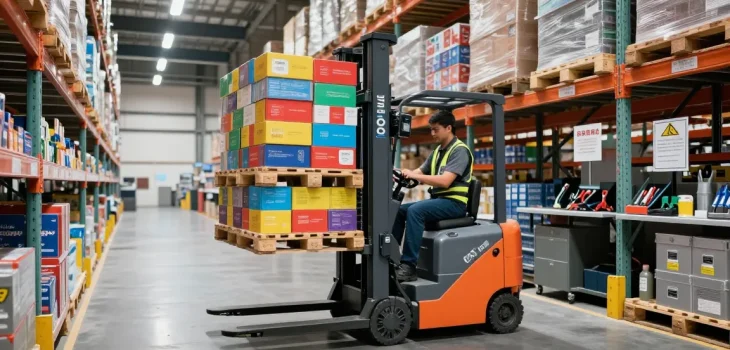
An electric stacker is a type of material handling equipment designed for lifting, stacking, and transporting goods. Unlike traditional forklifts, electric stackers are typically more compact and easier to maneuver, particularly in tight spaces. They are powered by electric batteries, which makes them environmentally friendly and suitable for indoor use, where emissions from combustion engines would be problematic.
Types of Electric Stackers and Their Applications
- Walkie Stackers: Operated by a person walking behind or beside the stacker, these are perfect for light to medium-duty tasks in small to medium-sized warehouses.
- Ride-on Stackers: Designed for larger capacities and longer distances, operators can ride these stackers, increasing efficiency in larger warehouse settings.
- Semi-automated Stackers: These stackers assist the operator in lifting and moving loads, minimizing physical effort and enhancing productivity.
- Counterbalance Stackers: Best suited for heavy loads, counterbalance stackers feature a design that allows them to operate without the need for stabilizing legs.
Key Features to Look for in an Electric Stacker
When selecting an electric stacker, there are several critical features to consider:
- Lift Height: Determine the maximum lift height necessary for your operations.
- Weight Capacity: Ensure the stacker can handle the maximum weight of the loads you intend to lift.
- Battery Life: Opt for stackers with long-lasting batteries to minimize downtime.
- Ergonomics: Look for features that enhance operator comfort, such as adjustable handles and controls.
- Visibility: Clear sightlines are essential for safe operation; consider stackers with designs that maximize operator visibility.
Benefits of Electric Stackers for Modern Warehouses
As businesses strive to optimize their operations, the advantages of electric stackers continue to gain traction. By integrating these machines, warehouses can streamline processes while promoting sustainability and cost-efficiency.
Increased Efficiency and Productivity
Electric stackers enhance productivity by allowing faster movement of goods within a warehouse. Their maneuverability and lifting capabilities enable workers to move multiple pallets in a single trip, drastically reducing the time spent on transport tasks. This efficiency not only saves time but also allows employees to focus on higher-value activities.
Environmental Impact and Sustainability
As more companies commit to sustainability, electric stackers are a green choice. Operating on electricity, these machines produce no emissions, contributing to cleaner air quality, especially in indoor environments. Utilizing electric stackers can help companies meet their environmental goals while also adhering to regulations regarding emissions.
Cost-Effectiveness Over Time
While the initial investment in an electric stacker may be higher than that of manual options, the long-term savings are substantial. Electric stackers require less maintenance than their gas-powered counterparts and have lower operating costs due to reduced fuel expenses. Furthermore, government incentives for eco-friendly machinery can offset initial costs considerably.
Choosing the Right Electric Stacker for Your Needs
The decision to purchase an electric stacker should be guided by an assessment of your specific operational needs. Various factors play into this decision, impacting efficiency and productivity in your warehouse setup.
Assessing Your Warehouse Layout and Workflow
Understanding the flow of materials in your warehouse is crucial for selecting the right electric stacker. Identify areas with high traffic and ensure that the stacker can maneuver effectively in tight spaces or narrow aisles. Mapping out workflows can help you choose a model that enhances operational efficiency.
Considerations for Weight Capacity and Lift Height
Evaluate the maximum weight of the loads you expect to lift and the height of your storage racks. Electric stackers come with various weight capacities and lift heights, so selecting the right one will ensure you can efficiently handle your inventory.
Evaluating Brand and Model Options
Research different brands and models of electric stackers, considering their reputation for reliability and performance. Look for customer reviews and testimonials to gauge satisfaction and support. Additionally, consider the availability of parts and service to ensure you have ongoing support once the stacker is in operation.
Best Practices for Operating Electric Stackers
To maximize the investment in electric stackers, it’s important to establish best practices for operation and maintenance.
Safety Tips for Electric Stacker Operation
Ensuring the safety of operators and the surrounding environment is paramount when utilizing electric stackers. Here are some safety tips:
- Always wear appropriate personal protective equipment (PPE).
- Conduct routine inspections of the stacker before use.
- Be aware of surroundings, including pedestrians and other equipment.
- Use horns or alarms to alert others when moving.
Maintenance and Care for Longevity
Regular maintenance is essential for the longevity of electric stackers. Check battery levels, inspect hydraulic systems, and ensure tires are in good condition. Scheduled servicing can prevent unexpected breakdowns and extend the life of your equipment.
Training Staff for Effective Use
Proper training is critical to ensure that all operators can use electric stackers safely and effectively. Provide hands-on training sessions and standardized procedures for stacker operation, emphasizing safety protocols and maintenance checks.
Future Trends in Electric Stacker Technology for 2026 and Beyond
The material handling industry is rapidly evolving, and electric stackers are at the forefront of this transformation. Emerging technologies promise to enhance their capabilities further.
Innovative Features on the Horizon
Future electric stackers will likely incorporate advanced technologies such as IoT connectivity for real-time monitoring. Features like predictive maintenance alerts and automated performance tracking can further enhance their efficiency and reliability.
Integration with Warehouse Management Systems
As warehouses increasingly adopt integrated management systems, electric stackers will become pivotal in data collection and inventory management. Smart stackers that communicate with warehouse management systems will streamline operations and improve inventory accuracy.
The Role of Automation in Electric Stacking Solutions
The push towards automation in warehouses will lead to more semi-automated and fully automated electric stackers. These innovations can minimize manual labor and improve safety, further enhancing the performance of electric stackers in modern facilities.
What are the common issues with electric stackers?
Electric stackers can face issues such as battery degradation, hydraulic failures, and general wear and tear. Regular maintenance and servicing can help mitigate these problems and ensure smooth operation.
How can I improve safety when using electric stackers?
Improving safety involves implementing strict operational protocols, conducting regular training sessions, and maintaining equipment to ensure it meets safety standards.
What maintenance is required for electric stackers?
Key maintenance tasks include battery checks, hydraulic fluid examinations, tire inspections, and routine cleaning of the equipment to prevent dirt accumulation.
How are electric stackers different from traditional forklifts?
Electric stackers are usually smaller, easier to maneuver, and designed for lighter loads compared to traditional forklifts, which are heavier and may require more space for operation.
What should I consider when purchasing an electric stacker?
Considerations include the lift height required, the weight capacity needed, space constraints within your warehouse, available budget, and the reputation of the manufacturer.